Count your plant points for better health

Images from Adobe Creative Cloud collaged by me.
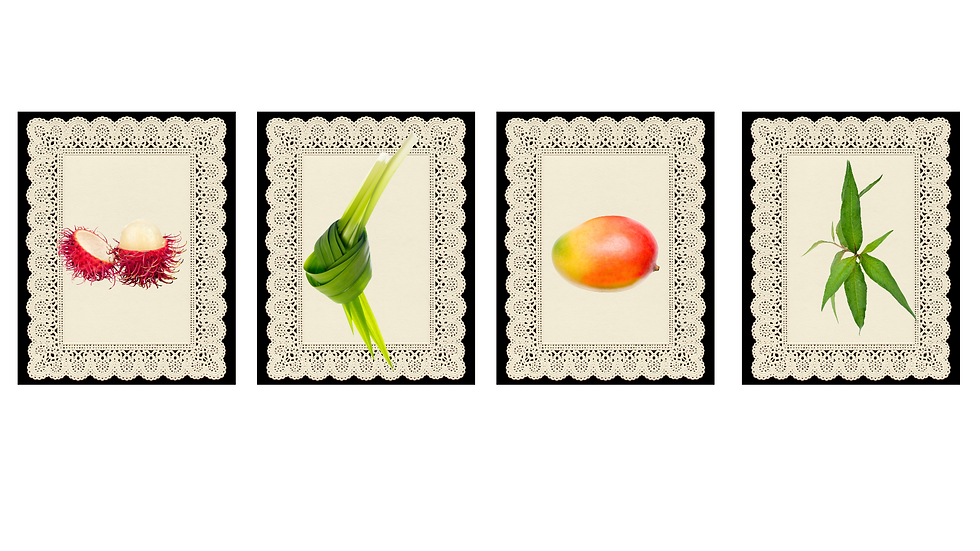
Images from Adobe Creative Cloud collaged by me.

Images from Adobe Creative Cloud collaged by me.
Google AI generated video, directed by me.


Adobe Creative AI generated images at my direction
My photos with Adobe AI generated fruits made into a video by me. Music by Adobe Creative Cloud.
THE FOOD-AS-OBJECT MANIFESTO: The Aesthetic Lie of the Instagram Feast
Look closely at the modern digital landscape, and you will notice a bizarre paradox: we are drowning in images of food, yet real food is not being consumed in the quantities necessary for opimal health.
In the age of social media, food has been entirely stripped of its biological, nourishing purpose and transformed into a hollow, high-definition object. It is no longer sustenance; it is a prop, a status symbol, a decorative backdrop designed solely to extract engagement from an algorithmic machine.
This hyper-curated aesthetic relies on a deeply toxic illusion, built on three foundational lies:
1. The Fiction of Infinite Youthful Wealth
Scroll through any major platform, and young people are perpetually seated at sprawling brunch spreads, oversized restaurant tables groaning under artisanal pastries, towering burgers, and cocktails. The visual subtext is clear and relentless: everyone is thriving, everyone has disposable income, and luxury dining is the baseline of youth. It creates a crushing economic anxiety for those who cannot afford to treat hospitality venues as their permanent living rooms, masking the reality of a cost-of-living crisis behind an expensive Instagram filter.
2. The "Eat Anything and Stay Skinny" Bio-Myth
Perhaps the most damaging lie is the casting of the influencers themselves. We see ultra-thin, conventionally "hot" figures posed languidly beside massive quantities of calorie-dense, highly processed, nutrient-void food—burgers, cakes, deep-fried indulgence. The unspoken transaction is obvious: they were gifted this meal by a venue desperate for promotion because of their physical metrics.
But the unspoken irony is macabre: if they actually ate that food on any regular basis, they wouldn't be skinny, and the free food would stop. * It sells a dangerous, physiologically impossible fantasy to young audiences—that you can consume an abundance of inflammatory, processed excess and maintain an emaciated, idealized body type. It warps nutritional reality and fuels disordered eating under the guise of lifestyle branding.
3. Food as Pure Decoration (Not for Eating)
Finally, food is no longer meant for the stomach; it is meant for the feed. Because the primary utility of the dish is how it photographs, nutritional value, whole ingredients, and seasonal health are completely discarded. Meals are engineered for color saturation, structural height, and viral shock-value, not vitality. Food has become static interior design—edible plastic art.
The Antidote: Make veg hot
To reject the "food as object" trap is a radical act. It means stepping away from the screen, stripping away the performance of consumption, and returning to the unhurried, grounded reality of what food actually is: a quiet, nourishing connection to nature, community, and health.
Official health data from the Australian Institute of Health and Welfare (AIHW), the Australian Bureau of Statistics (ABS), and HealthStats NSW reveal a striking gap between dietary guidelines and reality, directly connecting low produce intake to chronic disease risks:
1. The Vegetable Deficit (The Starkest Statistic)
More than 93% of Australian adults do not eat enough vegetables. * According to the ABS National Health Survey and NSW health data, roughly 93% to 94% of adults fail to meet the recommended daily intake of vegetables.
In New South Wales specifically, only about 4.6% of adults consistently consume the recommended serves of vegetables daily.
The Guidelines: Australian Dietary Guidelines recommend 5 to 6 serves of vegetables per day for adults (depending on age and gender).
2. Fruit Intake
Roughly 54% to 55% of Australian adults do not eat enough fruit. * In NSW, roughly 45% to 48% of adults meet the daily fruit recommendation (2 or more serves a day), meaning over half the population falls short.
The Official Recommendations Per Week
Under the Australian Dietary Guidelines, the baseline targets scale up to a weekly total:
Vegetables: 5 to 6 serves per day = 35 to 42 serves per week for adults.
Fruit: 2 serves per day = 14 serves per week for adults.
Translating that to a weekly view makes the mountain look a bit more conquerable—it's about 35 handfuls of veg across seven days.
How to Count Them (Without Going Crazy)
Counting grams or pulling out measuring cups for every meal is a surefire way to kill the joy of eating. Instead, health authorities use simple, visual hand-and-plate rules.
One standard serve equals roughly 75g of vegetables or 150g of fruit, which translates to these easy mental checkpoints:
1. The "Cupped Hand" Rule for Vegetables (1 Serve = 75g)
½ cup of cooked green or orange veggies (broccoli, carrots, pumpkin, peas, or beans).
½ cup of canned or cooked lentils/beans.
1 cup of raw leafy greens or salad (baby spinach, shredded cabbage, lettuce).
½ of a medium potato or sweet potato.
1 medium tomato.
2. The "Hand-Sized" Rule for Fruit (1 Serve = 150g)
1 medium piece of whole fruit (an apple, banana, orange, or pear).
2 small fruits (apricots, kiwi fruits, or plums).
1 cup of diced fruit or berries.
Why a "Clever Adaptation" Approach Makes Counting Easier
Instead of treating it like homework, your campaign can make counting feel like a game or a clever kitchen hack:
The "Handful Tally" on Instagram: Show how tossing a single handful of spinach into instant noodles or adding a chopped carrot to a pan instantly ticks off 2 serves without changing how you cook.
The 3-Color Rule: Instead of counting grams, aim for three different colored vegetables on the plate at dinner—instantly guaranteeing you've hit multiple serves and a diverse range of nutrients.
3. The Link to Chronic Disease
According to AIHW findings, poor diet and inadequate fruit and vegetable consumption are primary drivers of Australia's preventable chronic disease burden:
Cardiovascular Disease: Dietary risk factors (including low fruit and vegetable intake) account for 50% of the coronary heart disease burden in Australia. Each additional daily serve of fruit or vegetables is directly associated with a reduced risk of heart disease and stroke.
Type 2 Diabetes & Obesity: Inadequate nutrition combined with high consumption of ultra-processed, nutrient-void foods heavily fuels metabolic disease, high blood pressure, and type 2 diabetes. (Nationwide, over 65% of adults are classified as overweight or obese).
Cancer: Low dietary quality accounts for roughly 26% of the bowel cancer burden in Australia.
Statistical data from Bowel Cancer Australia, the Australian Institute of Health and Welfare (AIHW), and global health analyses highlight an alarming trend regarding young people and early-onset bowel cancer:
1. Global Standing & The Scale of the Issue
Highest Rate in the World: According to multi-country global analyses, Australia has the highest rate of early-onset bowel cancer among 50 tracked countries (at roughly 16.5 per 100,000 people under 50).
The 1-in-8 Rule: While bowel cancer is historically considered an older person's disease, 1 in every 8 Australiansdiagnosed with bowel cancer (about 12.6%, or over 1,800 young people every year) is under the age of 50.
The Deadliest Killer: Bowel cancer is currently the deadliest cancer for Australians aged 25 to 54.
2. Rapidly Accelerating Trends
The Generational Shift: People born in the 1990s have 2 to 3 times the risk of developing bowel cancer compared to those who were born in the 1950s at the same age.
The Under-25 Surge: Over the past three decades, Australia has seen a staggering 266% increase in bowel cancer incidence rates among adolescents and young adults aged 15 to 24.
The Risk Factor: The risk of being diagnosed with bowel cancer before the age of 40 has more than doubled since the year 2000.
These figures shatter the myth that young people are "too young to worry about diet-related chronic disease." When combined with cost-of-living pressures—where students, young renters, and low-income urban residents are often priced out of fresh food and forced to rely on ultra-processed, fiber-deficient convenience meals—this rising tide of early-onset bowel cancer provides an urgent public health imperative for community-led interventions.
Google AI generated video at my direction.
COUNT YOUR PLANT POINTS
The Plant Point System (popularized by gut health researchers like Dr. Megan Rossi) shifts the focus completely away from rigid portion-weighing and onto diversity.
Instead of tracking how much you eat, you track how many different types of plants you consume across the week, with the golden target being 30 different plants per week.
How the Plant Point System Works:
The Goal: Aim for 30 different plant-based items over 7 days to maximize gut microbiome diversity.
What Counts (The "Super Six" Categories):
Vegetables
Fruits
Wholegrains (brown rice, oats, wholewheat, buckwheat)
Legumes (beans, lentils, chickpeas)
Nuts and seeds
Herbs and spices
The Scoring Rules (How to Count):
1 Full Point: For every unique whole fruit, vegetable, grain, nut, seed, or legume.
Note on variety: A red apple and a green apple count as two separate points because they contain different chemical makeups. But eating the exact same red apple twice in a week only counts as one point.
www.inanutshellnutrition.co.uk+ 1
¼ Point: For herbs, spices, garlic, or a splash of coffee/tea/olive oil (since we consume them in smaller quantities).
www.inanutshellnutrition.co.uk
What doesn't count: Highly processed plant foods (like white flour, white bread, or processed snack foods where the natural fiber and nutrients have been stripped away).
Why the Plant Point System Fits a Budget Campaign:
This system is a dream for an affordable, clever-adaptation campaign because cheap staples score massive points:
A $2 bag of mixed dried lentils or a tin of black beans adds multiple points instantly.
Buying a bag of mixed carrots (or grabbing a mix of budget market greens) checks off diverse points without needing expensive specialty items.
It turns healthy eating into a fun, gamified challenge—counting how many plants you can rack up from a single trip to Paddy’s Markets!
The connection between plant diversity (plant points) and cancer prevention is one of the most exciting areas of modern nutritional science, particularly regarding bowel and digestive cancers.
While the concept of "30 plants a week" focuses on plant variety rather than a single food group, its direct link to lower cancer risk comes down to three scientific mechanics:
1. The Microbiome & Short-Chain Fatty Acids (SCFAs)
The Mechanism: Large-scale studies (like the American Gut Project and global microbiome research) show that people who eat 30 or more different plant types per week have a significantly more diverse gut microbiome than those eating 10 or fewer.
The Anti-Cancer Link: A diverse microbiome thrives on different types of plant fibers, polyphenols, and starches, fermenting them into Short-Chain Fatty Acids (SCFAs)—most notably butyrate. Butyrate acts as the primary fuel for the cells lining your colon, strengthens the intestinal barrier, reduces localized inflammation, and has been proven to trigger apoptosis (the self-destruction of abnormal or pre-cancerous cells) in the gut.
2. The Colorectal Cancer Shield (Fiber and Plant Diversity)
The Risk Reduction: According to organizations like the Cancer Council and the World Cancer Research Fund, diets high in dietary fiber and non-starchy plant foods protect directly against bowel (colorectal) cancer. Low fiber and low plant diversity are consistently tied to a specific "microbiome signature" linked to tumor development.
Why Variety Matters: Eating a wide variety of plants means you aren't just getting one type of fiber; you are feeding different strains of beneficial bacteria with distinct plant skins, colors, and phytonutrients (polyphenols found in things like berries, herbs, spices, and grains). These compounds suppress oxidative stress and reduce DNA damage in the digestive tract.
3. Crowding Out the Ultra-Processed Risk
The Indirect Protection: When a person's diet shifts toward hitting plant point targets—incorporating budget-friendly staples like lentils, whole grains, seeds, and market-fresh vegetables—it naturally crowds out ultra-processed foods (UPFs). High consumption of ultra-processed foods, artificial additives, and excessive preservatives is strongly linked in modern epidemiology to increased risks of gastrointestinal cancers and systemic inflammation.

To make prepping, chopping, and stealthily adding vegetables to everyday meals effortless (with minimal cleanup), these four kitchen tools are absolute game-changers:
1. The Mandoline (with a Safety Guard)
What it does: Slices vegetables paper-thin or into uniform matchsticks in seconds.
Why it makes veg easier: It completely removes the tedious chopping barrier. You can glide a whole carrot, zucchini, or onion across the blade to get feather-light ribbons or transparent rounds that melt instantly into a hot pan of instant noodles, soups, or stir-fries without needing any knife skills.
2. A Heavy-Duty Microplane (Zester/Grater)
What it does: Grates hard items into a fine fluff.
Why it makes veg easier: If you despise chunky vegetables or are feeding someone who is resistant to texture, a microplane lets you "hide" veg in plain sight. You can rapidly grate zucchini, carrots, garlic, or ginger directly into sauces, broths, and noodle bowls where they dissolve into the liquid, boosting flavor and nutrients invisibly.
3. A French Salad Spinner (Basket Style)
What it does: Spins excess water off washed greens and fresh herbs instantly.
Why it makes veg easier: The biggest friction point in eating leafy greens (like the bok choy, spinach, or cabbage you grab from Paddy's Markets) is that washing them turns them into a soggy, dripping mess that dilutes your cooking or rots in the fridge. A spinner dries them in 5 seconds, meaning they are prepped, crisp, and ready to toss straight into a warm bowl the moment you want them.
4. A Quality Chef’s Knife (8-Inch) & A Large Wooden Cutting Board
What it does: Gives you total mechanical efficiency.
Why it makes veg easier: People often think eating veggies is hard work simply because they are using a dull, small paring knife on a tiny plastic board. Upgrading to one sharp, well-balanced chef's knife and a wide board changes the physics of prep: you can rock through a head of broccoli, a bunch of greens, or a pile of mushrooms in under two minutes flat.
Food science shows that cutting or slicing vegetables triggers an immediate chemical response that accelerates nutrient loss, though vegetables are rarely "completely useless" until they physically spoil.
The timeline and science break down into specific stages:
1. What Happens When You Cut a Vegetable
The Wound Response: When a knife cuts through plant tissue, it ruptures plant cells and exposes internal enzymes (like polyphenol oxidase and ascorbate oxidase) to oxygen, heat, and light.
Accelerated Respiration: The vegetable senses the damage as a threat, which ramps up its respiration rate and burns through its own internal sugars and water-soluble vitamins (particularly Vitamin C and B-complex vitamins) much faster than if it were left whole.
2. The Timeline for Nutrient Degradation
There is no single expiration date, but food science tracking on Vitamin C (the most fragile nutrient and standard index for degradation) shows clear patterns when stored properly in a refrigerator (at around 4°C):
Within 24 Hours: Minimal loss for sturdy root veg, but delicate cut greens can lose a noticeable percentage of surface vitamins almost immediately upon exposure to air.
1 to 3 Days: This is the sweet spot. If stored in an airtight container or bag in the fridge, cut vegetables (like sliced carrots, cabbage, or broccoli florets) retain the vast majority of their fiber, minerals (like iron and potassium), and stable vitamins (like A, E, and K), with only a moderate decline in water-soluble vitamins.
3 to 7 Days: Water-soluble vitamins continue to drop significantly. However, the fiber, complex carbohydrates, and minerals remain completely intact. ### 3. When Are They "No Longer Beneficial"? Nutritionally speaking, a vegetable doesn't suddenly hit zero value overnight:
As long as it looks fresh, it is still beneficial. Food scientists note that major nutrient crashes don't usually happen until you see physical signs of decay—such as wilting, browning, sliminess, or sour smells.
Fiber never dies: Even if a cut carrot or piece of cabbage sits in the fridge for 5 days and loses some of its vitamin potency, its core health benefits—dietary fiber, prebiotics, and plant diversity points—remain fully active. It will still feed your gut microbiome and protect your digestive tract just fine.
There are several clever products designed specifically to expand your food prep surface and maximize tight kitchen counters without requiring a major renovation:
Over-the-Sink Cutting Boards / Sink Covers: These are oversized wooden or bamboo boards designed to bridge right across your basin. They instantly turn unused sink space into a solid chopping station, and many come with built-in slots or removable colanders so you can chop and rinse your vegetables directly into the drain.
Rolling Kitchen Islands and Trolleys: Compact utility carts—like the Artiss Kitchen Island Trolley Rolling Serving Cart or the Giantex Kitchen Island with Storage—provide a mobile, waist-high wood or bamboo work surface that you can wheel right up to your main counter when you need extra room to chop vegetables, then tuck away when you're finished.
Drop-Leaf Consoles or Folding Carts: Options featuring drop-leaf extensions (such as the Merax Kitchen Island with Trash Storage Cabinet allow you to fold down a side panel when you need a compact footprint, and flip it up whenever you need a full-sized surface for meal prep.
Stove-Top Covers (Noodle Boards): Heavy wooden trays that sit flat over electric or cooled gas stovetops. They transform unused burners into a clean, flat cutting or staging area.
The invisible economic engine behind neighborhood health: the local produce loop.
Public health campaigns often lecture people to "eat fresh and local," but they ignore the harsh economic reality of running a small, independent fruit and vegetable shop in an inner-city area dominated by major supermarket duopolies.
The dynamic relies on a delicate, interdependent loop:
1. The Convenience and Cost Barrier
People want to eat fresh, healthy food. But human behavior is driven by friction. If a local greengrocer is hidden down a side street, or if residents default on autopilot to the nearest big-brand supermarket out of habit, the local shop loses foot traffic.
2. The Tipping Point of Survival
Independent grocers—like independent bookshops, corner stores, and local markets—operate on tight margins. They only stay viable if a critical mass of the neighborhood actively shops there. If residents stop frequenting them, those businesses quietly fold, replaced by empty storefronts or chain outlets. Once they are gone, the neighborhood loses its localized food security, and residents are left entirely at the mercy of corporate pricing.
3. The Community Defense Strategy
Making people aware of these hidden local hubs isn't just about saving a few dollars on carrots; it is an act of neighborhood preservation. * When you choose to buy your produce from a local independent or Paddy's Market stall instead of a mega-supermarket, your dollar does double duty: it feeds your body and it casts a vote to keep that business alive.
By driving awareness and foot traffic to these local fixtures, you create a resilient micro-economy where healthy, affordable food remains physically present in the community.
Paddy's Markets Haymarket
4.2 star rating4.2
🧺 Market
Closed Opens at 10:00 am Wed
Paddy's Markets HaymarketClick to open side panel for more information is open to the public five days a week, from Wednesday through Sunday, between 10:00 AM and 6:00 PM. It is closed on Mondays and Tuesdays.

Adobe AI generated pots with Adobe stock image collaged by me.
Adding veg quickly and easily
To transform a block of instant noodles into a genuinely nourishing, balanced meal, you want a mix of vegetables that cook quickly in hot broth, provide fiber and color, and balance out the heavy sodium of the flavor packet.
Here is a fantastic, budget-friendly combination of 4 vegetables that add crunch, vitamins, and depth to instant noodles:
1. Baby Bok Choy (or Wombok / Chinese Cabbage)
Why it works: Leafy greens are essential to cut through the heavy starch of the noodles. Bok choy leaves soften instantly in hot water while the stems retain a wonderful, clean crunch.
Nutritional boost: Loaded with vitamins A, C, and K, plus calcium.
2. Shredded or Matchstick Carrots
Why it works: They add a natural sweetness that balances out salty broths, and shredding them means they cook in less than two minutes right in the hot soup.
Nutritional boost: High in beta-carotene and fiber.
3. Sliced Mushrooms (Shiitake, Button, or Oyster)
Why it works: Mushrooms absorb the soup's flavor while adding an earthy, meaty texture that makes the dish feel substantial and gourmet rather than instant.
Nutritional boost: Packed with B vitamins, antioxidants, and umami.
4. Green Onions (Scallions) or Bean Sprouts
Why it works: Tossed in fresh at the very end (or right on top before eating), they provide a sharp, fresh bite and a satisfying crunch that contrasts with the soft noodles.
Nutritional boost: High in vitamin C and immune-boosting compounds.
Pro-Tip for Healthier Instant Noodles:
Discard half the flavor packet: The noodles themselves are the main culprit, but the seasoning packet contains massive amounts of sodium. Use only half of it, and substitute the rest with a dash of soy sauce, sesame oil, or a spoonful of miso paste for a cleaner, richer broth.
To get the exact speed, convenience, and deep savory comfort of instant noodles—without the processed wheat, deep-fried block, and astronomical sodium—you can swap the base ingredient while keeping the exact same fast-cooking, one-pot method.
Here are three easy, healthy ways to replicate that instant noodle experience at home in under 5 minutes:
1. The Rice Vermicelli or Rice Paper Trick (Gluten-Free & Light)
The Swap: Instead of ramen blocks, keep a pack of thin Vietnamese rice vermicelli or even dried rice noodles in the pantry. They cook even faster than instant noodles—just pour boiling water over them or simmer for 2 minutes.
How to make it: Drop the rice noodles into boiling water along with your sliced mushrooms and shredded carrots. Stir in a spoonful of miso paste, a splash of tamari/soy sauce, and sesame oil. Toss in baby spinach or bok choy at the very last second.
The Vibe: Silky, light, deeply comforting, and entirely whole-food based.
2. The Asian Greens & Egg Drop "Soup-As-Meal"
The Swap: Skip the noodles entirely for a vegetable-and-protein base, using silken tofu or an egg drop method to give it that rich, filling texture.
How to make it: Bring vegetable or chicken stock to a boil. Add shredded cabbage, sliced mushrooms, and green onions. Whisk a single egg in a cup and pour it in a slow stream into the boiling soup while stirring gently to create delicate ribbons of egg (or drop in cubes of soft silken tofu).
The Vibe: Ready in 3 minutes, packed with protein and micronutrients, and completely satisfies that craving for a warm, savory bowl of soup.
3. The 3-Minute Soba (Buckwheat) Bowl
The Swap: Use 100% Japanese buckwheat soba noodles. They take about 3 to 4 minutes to boil.
How to make it: Boil the soba. While they cook, prep your fresh toppings (shredded raw carrots, sliced cucumber, green onions, and fresh herbs like coriander). Drain the soba, rinse briefly in cold water, and toss them in a quick dressing of sesame oil, low-sodium soy sauce, a splash of rice vinegar, and a pinch of chili flakes.
The Vibe: You can eat this hot or cold. Buckwheat is a complex carbohydrate that keeps you full much longer than refined instant ramen, and the nutty flavor is incredible.
The Secret Flavor Shortcut for Quick Healthy Bowls:
To avoid missing the "flavor packet" punch, keep a few high-umami, clean-ingredient pantry staples on hand so you can build a rich broth in seconds:
White or Red Miso Paste: Packed with probiotics and deep savory flavor (just stir it into hot water—never boil it aggressively).
Toasted Sesame Oil: Gives that instant restaurant-quality aroma.
Low-Sodium Tamari or Soy Sauce: For depth.
Garlic and Ginger Paste: (Tube or jar versions) to instantly mimic the aromatic base of instant noodles without chopping.
The Alchemy of Spices: Transforming Plain to Spectacular
There is a quiet alchemy that happens when a spice hits a warm pan. A plain vegetable—a humble carrot, a wedge of cabbage, or a simple potato—is fundamentally grounded in water, fiber, and earth. On its own, it is honest and wholesome, but it can easily taste flat.
Spices are the storytellers of the kitchen. They do not just add flavor; they alter our perception of temperature, depth, and time. A pinch of toasted cumin introduces smoke and warmth; a dash of cardamom brings a sudden, floral brightness; turmeric stains the dish with golden sunlight before you've even taken a bite.
When you add spices to vegetables, you aren't just seasoning; you are waking them up. You take something ordinary and strip away its monotony, turning a basic bowl of plants into a vibrant sensory experience that feels complex, intentional, and alive.
Spice & Dried Herb Combinations for Vegetables
Here are four aromatic blends designed to instantly elevate plain, everyday vegetables into something extraordinary:
1. The Warm & Earthy Blend (Great for Root Veggies, Carrots, and Sweet Potatoes)
The Mix: Ground cumin, ground coriander, a pinch of smoked paprika, and a touch of cinnamon.
Why it works: The earthiness of cumin pairs with the subtle citrus notes of coriander, while smoked paprika adds a rich, campfire depth. A tiny whisper of cinnamon ties it all together with unexpected warmth.
Best used on: Roasted carrots, baked pumpkin, or shredded cabbage tossed in warm oil.
2. The Bright & Herbaceous Blend (Great for Greens, Zucchini, and Green Beans)
The Mix: Dried oregano, dried mint, garlic powder, and a generous crack of black pepper.
Why it works: This combination relies on the Mediterranean trick of pairing mint with savory elements. Mint cuts through heavy or dull flavors, while oregano and garlic provide a savory backbone.
Best used on: Sautéed green beans, steamed broccoli, or tossed through warm white beans and greens.
3. The Golden & Fragrant Blend (Great for Cauliflower, Potatoes, and Onions)
The Mix: Ground turmeric, mustard seeds (popped in oil first), ground ginger, and a pinch of asafoetida (hing) if you have it.
Why it works: Turmeric brings an earthy, golden baseline that loves fat and heat. Frying mustard seeds in oil until they pop releases a nutty, complex aroma that completely transforms whatever vegetable they coat.
Best used on: Roasted cauliflower florets or pan-fried potato cubes.
4. The Smoky & Savory Umami Blend (Great for Mushrooms, Eggplant, and Greens)
The Mix: Dried thyme, onion powder, smoked paprika, and a pinch of crushed red pepper flakes.
Why it works: Thyme brings a woody, aromatic forest note that mimics slow-cooked richness, while smoked paprika and onion powder build a savory depth that makes simple vegetables taste meaty and substantial.
Best used on: Sautéed mushrooms, wilted spinach, or charred eggplant.
Information from Google AI.

Comments